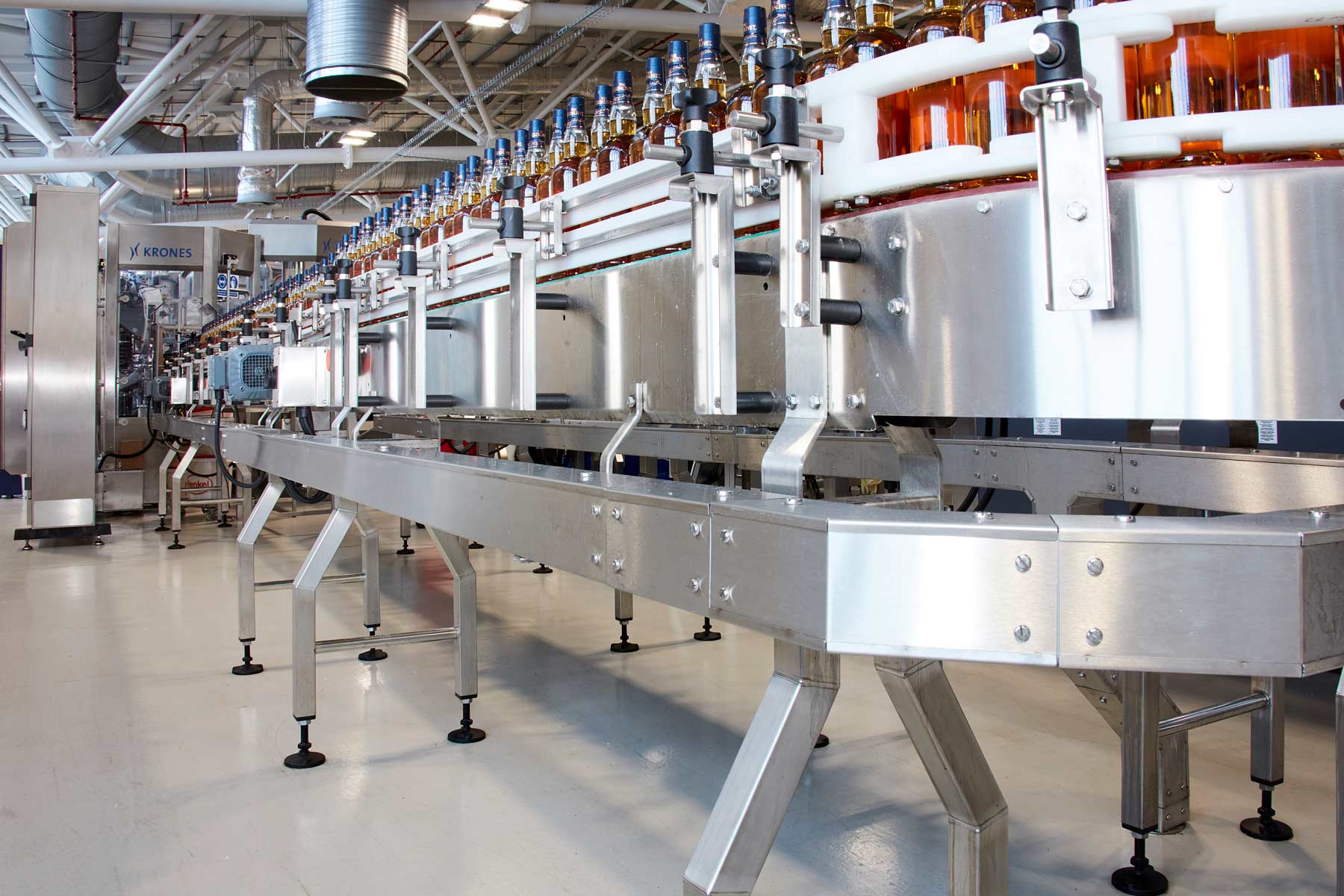
The wiring infrastructure throughout a production facility plays a crucial role in ensuring operational efficiency, durability, and compliance with both hygiene and safety standards. The same considerations must also apply to installed equipment, as production machinery maybe be in either direct or indirect contact with any product. It is essential when evaluating any cable management solutions several key factors must be considered such as environment, positioning, and cable routing. In addition practical limitations such as cable fill rates, electrical noise, ventilation and site specific requirements. While various containment systems, such as ladder racks, perforated trays, and conduit, are available, this article focuses on low-level machine installations for equipment within a food / beverage production environment. Given the hygienically sensitive nature of these areas, choice is generally between traditional stainless steel enclosed trunking system, either IP30 / IP4X / IP66, or an open system such as stainless steel basket tray.
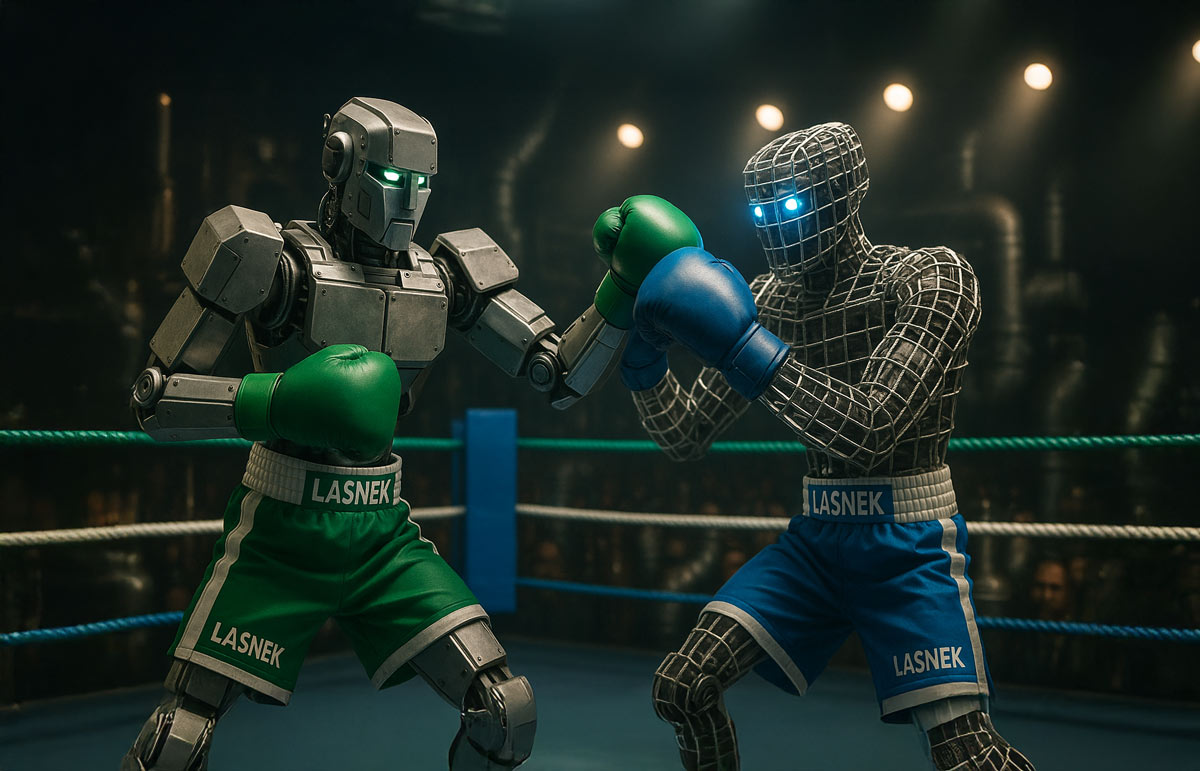
Here we evaluate the merits of the traditional IP3X / IP4X enclosed system, IP66 Waterproof Trunking system and open wire basket tray relative to food and beverage applications

Stainless steel Trunking is a traditional enclosed cable management system designed too mechanically protect electrical wiring from physical damage and environmental exposure. Lasnek have been manufacturing these systems for over 25 year.
EMI & Cable Segregation

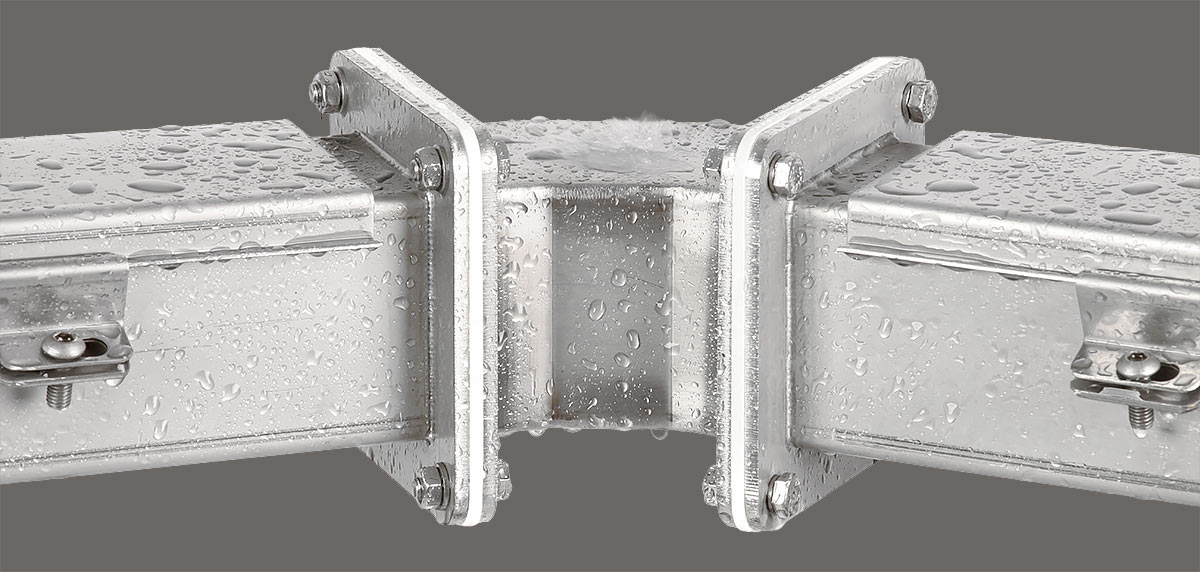
Stainless steel IP66 Trunking are a significant advancement of the IP3X/4X, offering both the installer and end user a reliable watertight solution for protecting cables from any dust or water ingress. With a fixed hinged cover and welded connecting flanged at each end, this is commonly referred to as a pull through system, rather than the lay in system use in the traditional trunking systems. As the name implies, the cables are pulled through both fittings and lengths, similar to conduit, except this trunking system allows for periodic access via the hinge cover.
High degree of protection from radiated EMC interference (internal or external)
Cable barriers available for segregation of cables – lengths only

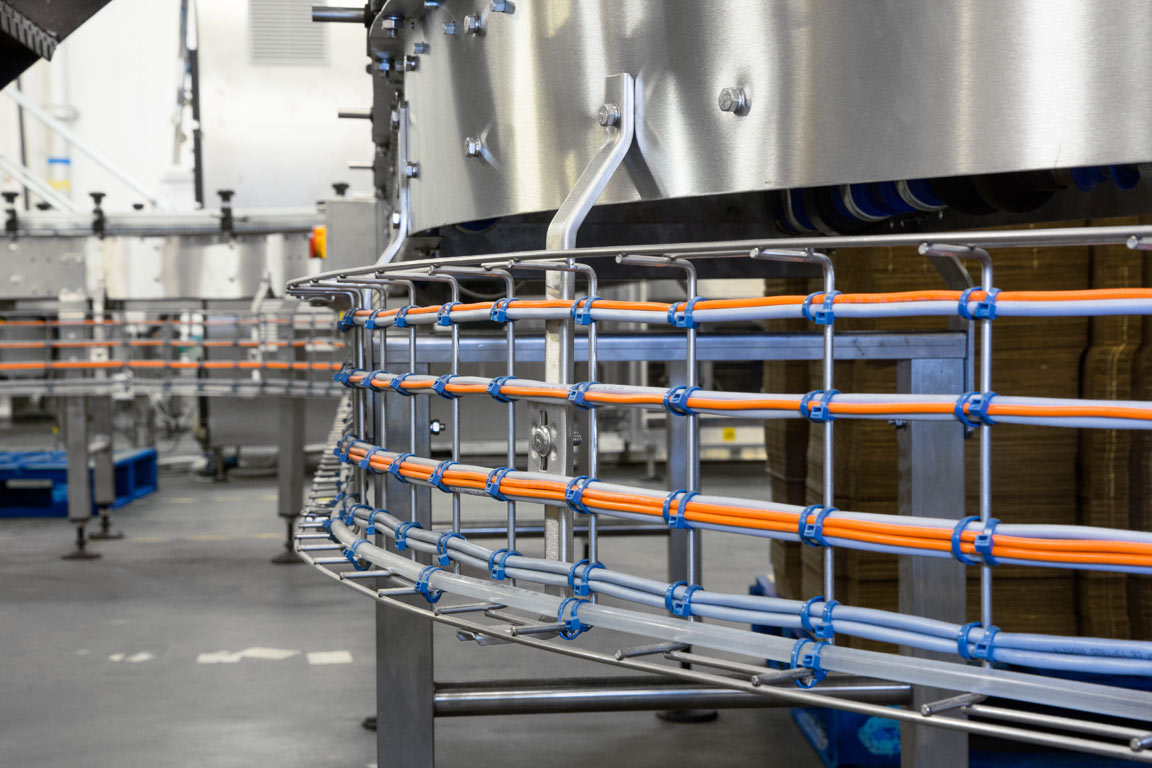
Wire basket trays, constructed from stainless steel wires, is an open cable tray system. Originally designed for high level applications for the building services industry, these systems are increasingly used at low level on machinery within production areas. Typically supplied as lengths only, any fittings such as bends or tees, are typically fabricated on site by cutting set pattern of wire sections from the lengths.
| Feature
|
Stainless Steel Trunking
|
Stainless Steel Wire Basket cable Tray |
|---|---|---|
| Ingress Protection
|
High; Enclosed system protects against objects, dust, liquids (IP66)
|
Low; Open design offers limited protection
|
| Electromagnetic Interference (EMI) – Radiated
|
High; Reduced transmitted and receiving (radiated). Internal barriers available
|
Medium; Partial reduction (radiated) Requires additional barriers and routing practices
|
| Wire Fill
|
Moderate; 40% of cross-sectional area
|
Moderate; 50% of cross sectional area
|
| Heat Dissipation
|
Limited; Limited airflow, potential cable de-rating maybe required
|
Excellent; Potentially Unrestricted airflow
|
| Hygiene Compliance
|
High; Smooth, cleanable surfaces
|
Moderate; May require specific cleaning procedures
|
| Flexibility/Modularity
|
Low; Rigid and fixed bends
|
High; Highly modular and site adaptable bends
|
| Installation Complexity
|
Moderate; Requires precision and specific cutting tools ( S/Steel)
|
Moderate; Cutting, bends and cable clipping
|
| Cost
|
Moderate / High; High material content / pre-made bends
|
Low/Moderate; Lower material content / fabrication of bends
|
The final choice between wire basket or enclosed Trunking system should be guided by the facility’s operational needs, regulatory requirements, and budget. It is advised that those tasked with overseeing any decision on which type of system used should consider both the commercial and technical aspects of each solution. For Machine builders the choice may be clearer, however site specifications may need checking. While it is not unusual to have different solutions within one facility, it’s important to account for future expansions and product compatibility, especially on machinery supplied from multiple vendors that is interconnected with existing equipment. Ultimately, whatever the decision on which system or brand to implement, this should be communicated to those responsible for purchasing and procurement.